Breathwork - Blog
Trauma Informed Conscious Connected Breathwork, Rebirthing and Oxygen Advantage Breathwork
Breathwork is moving into the mainstream, and for good reason; it is one of the most potent tools we have for self-healing. But as it grows in popularity, I’ve noticed some confusion around the different techniques.
When I began my own journey in 2022, I felt the same. There are many different breathwork practices out there, and I wanted to use this blog to break them down.
1. Trauma Informed Conscious Connected Breathwork (CCB)
While other breathwork styles can be deeply internal and still, CCB is active, expansive, and dynamic. This is a facilitated journey, meaning you are fully supported with hands-on, physical guidance throughout the process.
The Technique: Using a wide, open-mouthed breath, we create a continuous loop with no gaps between inhale and exhale. This is a diaphragmatic breath. To guide you through, a facilitator will first analyse your breathing pattern to see where you might be holding or restricting your breath. From there, we use body mapping—applying gentle pressure to specific tension points—to encourage sound, movement, or emotional release.
By softening the analytical mind, this practice coaxes your nervous system out of a high-alert fight-or-flight state and into the safety of the parasympathetic (rest-and-digest) response. It is here, in this safe container, that the mind finally quiets, and the body can begin to process and release stored emotion and stress.
The Purpose: Most of us instinctively hold our breath when faced with intense emotions or difficult situations. Over time, this means we stop utilising our full breathing apparatus. Say we restrict our breath to just the chest, it can often manifest as anxiety and chronic overthinking. This method is designed to physically open up those restricted areas—literally creating more space in your body for your life force to flow.
The Experience: If you are feeling physically stuck, heavy, or disconnected from your vitality, CCB is a powerful catalyst for a breakthrough. It is an intentional space for releasing trauma and old emotional baggage, allowing for an active reclamation of your energy so you can feel fully, vibrantly alive.
2. Rebirthing Breathwork
Founded by Leonard Orr in the 60/70s, Rebirthing is the ‘original’ conscious connected breathing method. It carries a deep, psychological focus on our very first experience of life: our birth.
The Technique: Like CCB, it is a circular breath, though it is often practised gently through the nose. While it was historically practised in water to simulate the womb, we now primarily use a dry practice on the mat.
The Purpose: The theory holds that our birth experience (how we are received into this world) creates our first script or set of beliefs, which can still be present in our everyday relationships and lives. Rebirthing allows us to revisit those foundational patterns and release the survival habits we’ve been carrying since day one.
The Experience: For the person drawn to understand their deepest roots. It allows you to address the blueprint of your nervous system and rewrite your baseline sense of safety and belonging.
3. Functional Breathwork
If Conscious Connected Breathwork is about emotional release, Functional Breathwork is about clarity, focus, and physical efficiency. It is a very practical, science-backed approach that focuses on how your body functions day to day. Oxygen Advantage is an established training program that teaches functional breathing.
The Technique: Unlike styles that rely on big, dramatic breaths, functional breathing retrains you to breathe lightly, slowly, and exclusively through your nose. The practice centres on building your tolerance to carbon dioxide (CO2) through nasal breathing and short, structured breath holds.
It starts with simple assessments to see how efficiently you breathe. From there, you learn how to stop chronic over-breathing and shallow chest breathing, teaching your diaphragm to do the work it was actually designed to do.
The Purpose: A lot of us have become chronic mouth-breathers, especially when we are stressed or exercising. Ironically, taking huge, rapid gulps of air actually deprives our tissues of oxygen because it flushes out too much CO2 (which our blood needs to release oxygen). This habit keeps the brain on edge and leaves us feeling drained.
By retraining your body to handle normal levels of CO2, we unlock the Bohr effect—meaning oxygen can actually separate from your blood and properly feed your muscles, organs, and brain.
The Experience: If you feel like you run out of steam too quickly during workouts, hit a wall of afternoon brain fog, or wake up feeling tired, this is the reset you need. This practice isn't about emotional breakthroughs; it’s about a quiet, sharp focus. It’s designed to boost your stamina, quiet mental chatter, and build a calm, resilient nervous system that deals with stress more effectively.

The way we breathe is the way we live. Working with your breath pattern will change your life. Whether you are looking to quiet a busy mind, heal the past, reduce anxiety, or reclaim your physical energy, there is a path through the breath to help you get there.
Breathwork Resources for Everyday
If you are feeling stressed, mentally overwhelmed, or on high alert, this breathing technique can help you enter a parasympathetic state of calm.
Left nostril breathing.
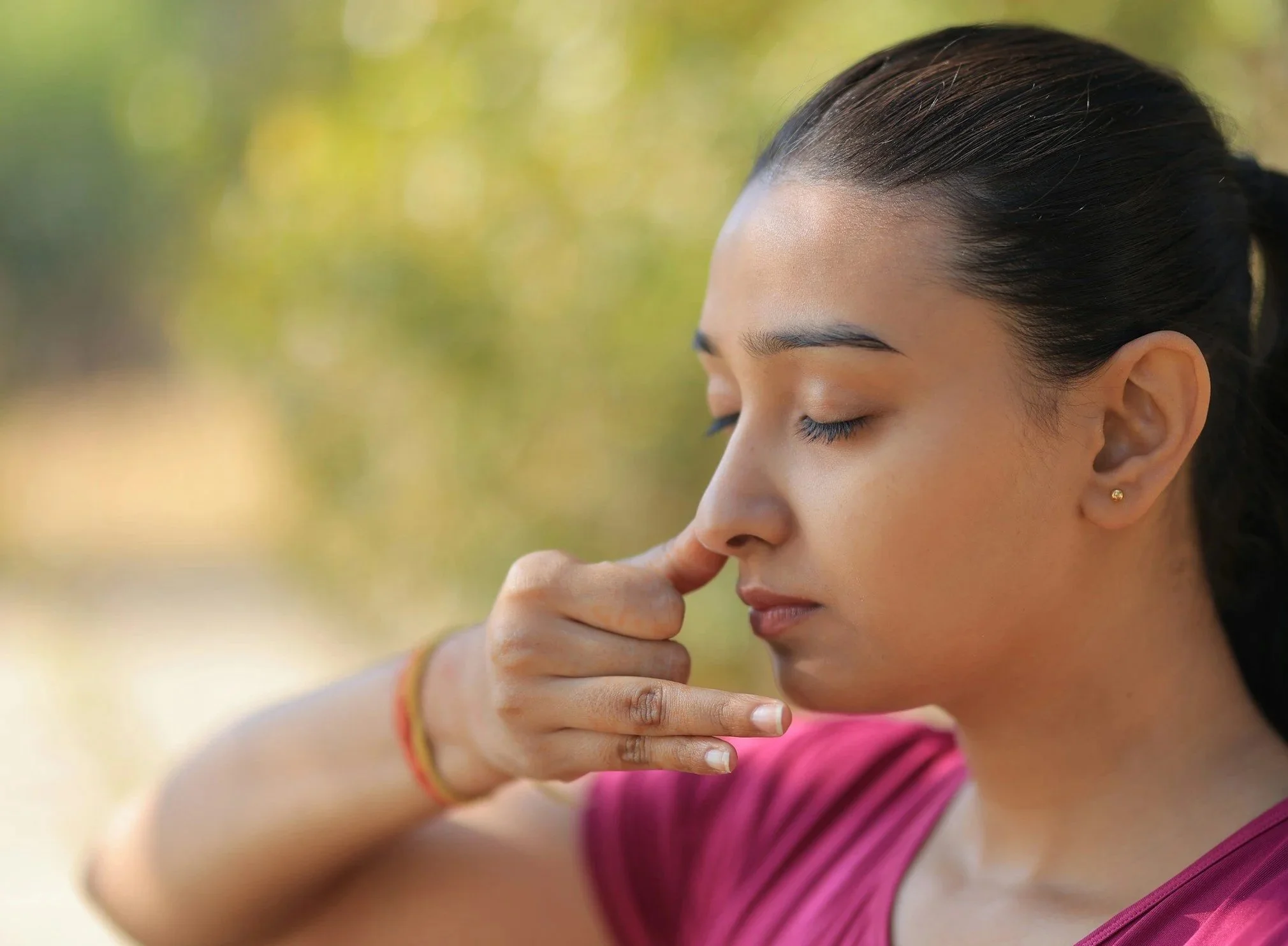
1. Close your right nostril.
2. Inhale through your left for 4 seconds
3. Exhale through your left for 6 seconds.
4. Repeat this for a few slow breaths.
Left nostril breathing is associated with bringing the parasympathetic system online, which allows it to rest and digest in a more recovery state. This can be used before meetings, at times when you may feel overwhelmed, or when getting to sleep; it can be used for a quick reset. However, if you find you are using this throughout your day, then working with a breath practitioner could be very beneficial.
Better breathing equals a more regulated nervous system!
Box Breathing - ideal for calming a busy, racing mind, increasing focus, and helping stabilise your emotions if you are feeling overwhelmed.
Inhale slowly through your nose for 4 seconds.
Hold your breath at the top for 4 seconds
Exhale gently through your mouth for 4 seconds
Hold your breath with empty lungs for 4 seconds, then repeat for 3-4 rounds.
You can use the same technique if you are feeling shut down, spaced out, and in a functional freeze Use the above tecqnique whilst adding these.
As you inhale, gently press your thumb and index finger together.
As you hold gently, press your thumb and middle finger together.
As you breathe, gently press your thumb and ring finger to the heart.
As you hold, gently press your thumb and pinky finger together.
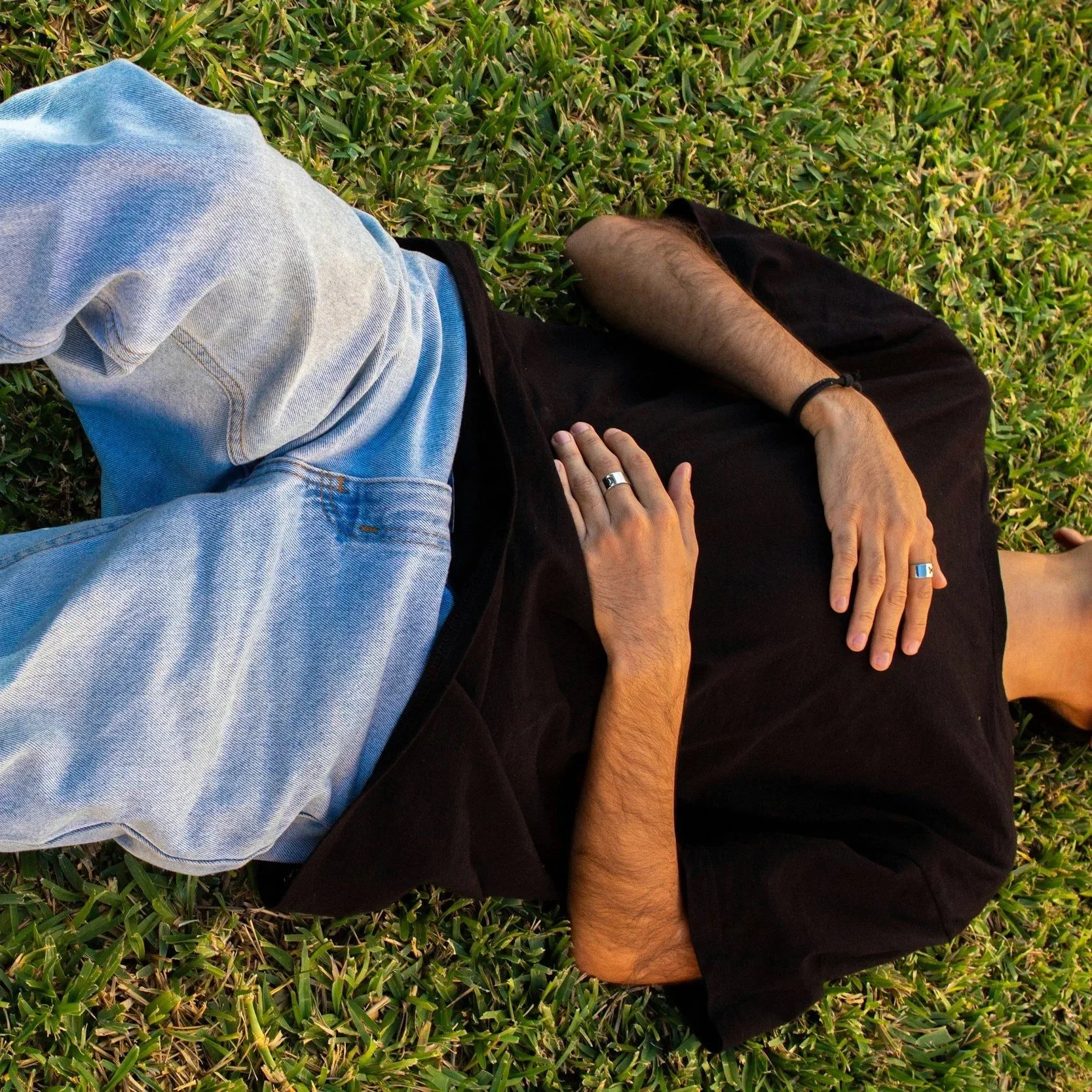
Diaphragmatic Breathing - this is the foundation of breathing that helps the body use the diaphragm and more of your breathing apparatus, rather than just your upper chest. This practice can help maximise oxygen intake.
1. Sit upright or lie down, placing one hand on the chest and one hand on the belly.
2. Inhale, breathe in slowly through your nose, feeling your tummy push against your hand (your chest can remain still)
3. Exhale, purse your lips, and breathe out gently through your mouth.
Repeat this for 5-10 mins.
Breathwork is a practice, and if you feel dizzy or unwell, then please consult your practitioner.
For more information about how breathwork can change your life, please reach out to me.